This post contains affiliate links. As an Amazon Associate, I earn from qualifying purchases. This means I may earn a small commission if you purchase through my links at no extra cost to you.
The pre-owned watch market is in genuinely good shape. Auction records keep falling, buyers are younger and more informed, and platforms that didn’t exist five years ago are now moving hundreds of millions of dollars’ worth of used watches every quarter. If you’re sitting on something you want to sell — a Rolex you’ve worn for a decade, or an Omega you bought on impulse and never quite bonded with — 2026 is a decent time to do it.
But knowing when to sell is only half the problem. Where you sell is where most people lose real money.
I’ve been on both sides of this. I’ve bought pre-owned, sold pre-owned, watched friends get laughably lowballed at pawnshops, and seen the same watch listed for $1,200 on one platform and $2,400 on another. The market has no mercy for sellers who skip the homework and just walk into the nearest shop to take whatever’s offered.
This guide is for people who don’t want to do that.
What actually determines resale value
Before you think about where to list, get clear on what buyers actually care about. Not every watch holds its value the same way, and a few factors will shape what you can realistically expect to walk away with.
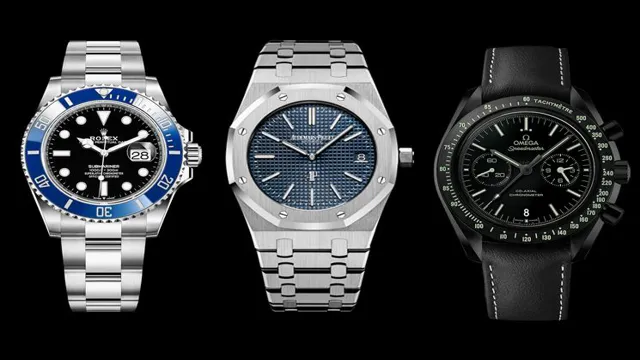
Brand. Rolex, Patek Philippe, Audemars Piguet, and Richard Mille sit at the top of resale tables for reasons that are decades in the making. The secondary market for these is deep and liquid. Omega, Tudor, and Breitling hold their value respectably. Fashion brands and entry-level quartz get complicated fast.
Reference. A Rolex Submariner and a Rolex Cellini are both Rolexes. They’re not remotely the same proposition in resale. Demand is model-specific, so do your research on which references are actually commanding premiums right now — not six months ago.
Condition. A watch in excellent shape with original box and papers will bring significantly more than the same model with scratches, a replacement bracelet, or — here’s the counterintuitive one — a freshly polished case. Polishing often hurts value with serious collectors. It removes the original finish. Enthusiasts call natural wear “honest.” They mean it.
Completeness. Box, warranty card, hang tags, and any extra bracelet links. A full set can add 20–40% to what a serious buyer pays. Never throw any of this away.
Service history. Documented service from a reputable watchmaker or the manufacturer adds credibility. Think of it like a car with full service records versus one without. If you’re not sure how often servicing matters, see what happens if you don’t service your automatic watch for 5 years.
Timing. Prices move. Certain references spike after a celebrity wears one or an auction result makes headlines. If you’re not in a rush, watching the market for a month or two before listing can be worth real money.
The best online platforms
Online is where the action is. The audience is global, competition keeps pricing honest, and the right platform can connect your watch with exactly the buyer willing to pay properly for it.
Chrono24 is still the dominant global marketplace. Millions of listings, buyers from over 100 countries, and you set your own price — which matters a lot. The escrow service builds buyer confidence and helps close deals faster. Fees are reasonable, and for serious watches, nothing else matches the depth of the buyer pool. If I’m selling anything above $1,000, this is where I start.
The 1916 Company (former WatchBox) buys directly from sellers, authenticates, and then resells. You’re trading maximum price for speed — they’ll make an offer fast, but it’ll be below what you’d get selling privately. For someone who wants a clean transaction without weeks of waiting and back-and-forth, it’s one of the better operations in the business.
Bob’s Watches is particularly good for Rolex. They’ve built a focused reputation in that space, with transparent pricing and a simple process. If you’re selling a Rolex, get a quote here alongside everywhere else.
eBay Don’t write it off. eBay still moves enormous volumes of pre-owned watches, and buyer competition on certain pieces actually pushes prices higher than on more specialized platforms. Manage the transaction carefully — insure everything, document everything, use buyer protections. For watches under $2,000, it can be surprisingly effective.
Hodinkee Shop If your watch is desirable enough to get accepted, you’re selling to a highly engaged audience that knows what things are worth. Selective, but that selectivity is the whole point.
Reddit’s r/WatchExchange A peer-to-peer community marketplace with low fees and direct communication. The people browsing here know what they’re looking at. Works best for mid-range collectors’ pieces. Build some posting history before trying to sell — credibility matters in communities like this.
Physical options: dealers, boutiques, and pawnshops
Sometimes you want to hand over a watch and walk out with cash. Online platforms are great, but they require patience, photography, correspondence, and sometimes the nerve to ship something expensive to a stranger. If speed matters more than the maximum payout, physical options are worth knowing about.
Specialist pre-owned watch dealers. These are your best bet in the physical world — not pawnshops, not general jewelers, but shops that specifically trade quality used watches. They move volume, know their market, and have buyers walking in regularly. If there’s one in your city, get a quote.
Authorized dealers and independent boutiques. Some authorized dealers buy pre-owned stock, particularly in grey market territory. Independent boutiques focused on luxury pre-owned are generally a better option than mainstream retailers. They’ll offer more than a pawnshop, though less than selling privately. Don’t walk in cold with numbers you pulled from a single eBay listing.
Pawnshops, I’ll be direct: pawnshops are not where you want to sell a quality watch if price matters. They operate on wide margins, and most staff don’t have deep knowledge of fine watches. If you need cash today and the watch isn’t particularly valuable, fine. Otherwise, you’re paying a heavy price for that instant liquidity and getting very little in return.
Auction houses Christie’s, Sotheby’s, and Phillips are the prestigious end — and they’re selective. They primarily handle rare, high-value, or historically significant pieces. When the right watch hits the right room, bidding competition can push the price well beyond private-sale estimates. But most watches won’t qualify, and between buyer’s premium and seller’s commission, the fees are real. For a broader overview of how watch types and value drivers differ, see unlocking the mysteries of watch complications.
Watch flipping: buying to resell
This is the more deliberate end of the pre-owned market — buying watches specifically to resell at a profit. It’s become a genuine side hustle, and for some people, a full-time business. The fundamentals aren’t complicated. Execution requires real market knowledge.
Buy where prices are lower, sell where they’re higher. Estate sales, local classifieds, smaller online communities, overseas markets — these surface undervalued pieces that command premiums in the right selling environment. A watch from an estate sale at $800 might be $1,400 to the right collector on Chrono24.
Go deep on a few references, not wide on many. The best flippers I’ve spoken to know three to five references inside and out — the going prices, which variations matter, what condition problems kill a deal, and where the buyers are. Spreading thin across dozens of brands ties up capital without results.
Condition arbitrage. Some flippers buy cosmetically rough watches cheaply, invest in professional servicing and careful refinishing, and sell the improved watch at a meaningful markup. You need to know what’s actually worth doing. Heavy polishing? Almost always a mistake with serious collectors.
Timing the market. If a reference is trending — media coverage, a notable auction, a celebrity wearing it — selling into that momentum can capture a premium that quietly disappears six months later. Buying during a temporary price dip sets up the opposite.
Model your actual margins. Platform fees, shipping, insurance, authentication costs, and, depending on where you are, capital gains tax. Know your real numbers before getting excited about paper gains. If you’re comparing watch categories by size and demand, this can also overlap with choosing the perfect-sized watch for your wrist.
Watching flipping done well is genuinely interesting — intellectually and financially. But it’s not passive income. It rewards people who treat the market like something worth actually studying.
Side-by-side comparison
| Selling venue | Best price potential | Speed | Ease | Best for |
|---|---|---|---|---|
| Chrono24 | ⭐⭐⭐⭐⭐ | Medium | Medium | Most watches $1K+ |
| WatchBox | ⭐⭐⭐ | Fast | Very easy | Convenience-first sellers |
| Bob’s Watches | ⭐⭐⭐⭐ | Medium | Easy | Rolex specifically |
| eBay | ⭐⭐⭐⭐ | Medium | Medium | Sub-$2K, broad appeal |
| Hodinkee Shop | ⭐⭐⭐⭐⭐ | Slow | Hard to get listed | Highly desirable references |
| WatchExchange | ⭐⭐⭐⭐ | Medium | Easy (with reputation) | Enthusiast-level pieces |
| Specialist dealers | ⭐⭐⭐ | Fast | Easy | Physical transaction preferred |
| Pawnshops | ⭐⭐ | Very fast | Very easy | Emergency cash only |
| Auction houses | ⭐⭐⭐⭐⭐ | Slow | Complex | Rare/high-value pieces |
The tradeoff is real: maximum price requires time and effort. Maximum speed costs you money. No venue does both well.
Preparing your watch before listing
The difference between a well-prepared listing and a careless one is regularly hundreds of dollars. Sometimes thousands.
Gather everything that came with the watch. Box, papers, warranty card, hang tags, original bracelet links, spare parts. Lay it all out before you photograph anything. If you’ve lost some of it, be honest in your listing — buyers who discover missing pieces mid-negotiation tend to disappear entirely.
Don’t polish the case. Said it above, worth repeating. A naturally worn watch with its original finish is worth more to a serious buyer than one buffed to an artificial shine. A soft cloth and warm water are fine. Anything more aggressive, leave it to a professional.
Service if it makes financial sense. For higher-value pieces, a recent service from the manufacturer or a reputable independent adds credibility and supports a higher asking price. For lower-value watches, service costs may eat up any upside. It depends on the watch.
Photograph properly. Natural light, clean background, multiple angles — case, dial, caseback, bracelet, crown, any engravings. Show the box and papers separately. Poor photos tell buyers the seller doesn’t care, and they price that in.
Research actual sold prices before you set yours. Search the same reference on Chrono24 and eBay completed listings. Sold prices, not asking prices. You want to know what people actually paid, not what someone hoped to get.
Write a detailed, honest description. Condition, year purchased, service history, any modifications, whether it was an original or replacement bracelet, and how often it was worn. Buyers who feel informed close deals. Buyers who feel uncertain don’t.
Ship properly. Insure for full value. Use a carrier with tracking. Double-box. Don’t disclose the contents on the outer packaging. International shipments need proper customs documentation — figure that out before you list internationally. If you’re worried about scratches during transport or storage, this guide on removing scratches from a watch crystal at home may also help you assess cosmetic issues before listing.
Choosing your approach
There’s no single right answer for where to sell. It depends on the watch, your timeline, and how much effort you’re willing to put in.
If you have something desirable with a box and papers, and you’re not in a rush, Chrono24 will almost always return the best number. If you’re flipping as a business, you need to know every platform here and use them based on what you’re selling. If you need cash this week, a specialist dealer or WatchBox will get you there without drama — just at a price that reflects the convenience they’re providing.
What I’d push back on: defaulting to the easy option purely because it’s easier. Walking a quality watch into a pawnshop because you don’t want to deal with photos and listings is leaving real money on the table. The pre-owned market in 2026 is competitive, educated, and global. It doesn’t hand out good prices to unprepared sellers.
Know what you have. Know what it’s worth. And don’t accept the first offer that comes in unless it’s actually good.
My grandfather’s Seiko had no resale value in any conventional sense — it was worth exactly what it meant to him, and then to me. But everything else? That’s a market. And markets pay better when you show up prepared.